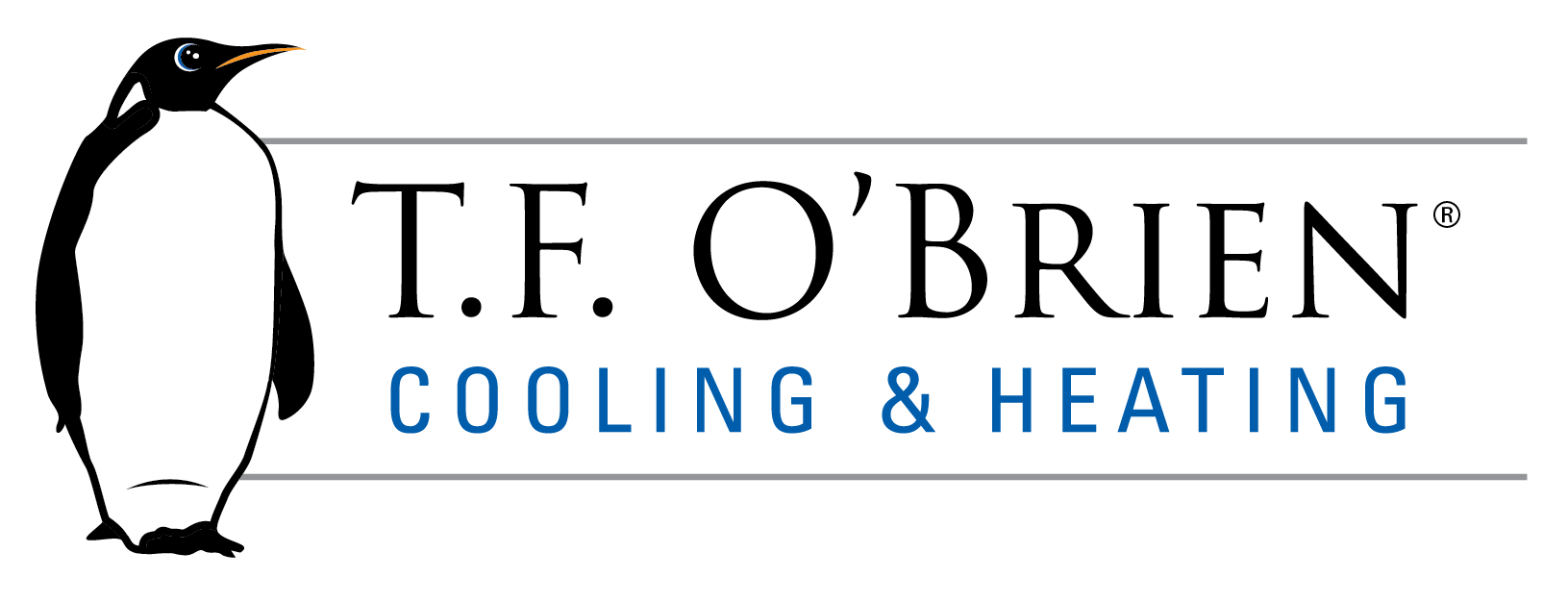

 If your energy bills were high this summer when you ran the air conditioner or you have uncomfortable spaces inside your home, you might have ductwork obstructions. Continue reading “Ductwork Obstructions Might Be the Culprit When it Comes to Home Inefficiencies”
Tag: heating and air
A Home Duct System That’s Designed to Deliver
 A well-designed home duct system is a fundamental component for maximizing your house’s overall energy efficiency. Continue reading “A Home Duct System That’s Designed to Deliver”
Your Forced-Air System: How It Keeps You Warm In The Winter
 When the forced-air system in your Long Island home is working well, it’s easy to think of it as just a basic appliance that distributes warm or cool air. Although that is what the system does, a number of components are involved in getting that seemingly simple job done. When you’re shopping around for a new HVAC system, it helps to be familiar with your system’s inner workings. Continue reading “Your Forced-Air System: How It Keeps You Warm In The Winter”
The Home Energy Evaluation You Do Yourself: A Weekend Job With Long-Term Potential
 Long Island can be a rewarding but expensive place to live. If you’re looking for ways to save money, consider performing an energy evaluation of your own home. Continue reading “The Home Energy Evaluation You Do Yourself: A Weekend Job With Long-Term Potential”
Got A Problem With Your Heat Pump? Try These Simple Troubleshooting Tips
 What do you do when you come home from a hard day at work to find that your heat pump isn’t working? Continue reading “Got A Problem With Your Heat Pump? Try These Simple Troubleshooting Tips”
The Ductless Mini Split: An Elegant Solution For Your Cooling Challenge
 Extending ductwork isn’t always a pleasant option for add-on spaces like a retrofitted attic or basement or for areas in your home that are difficult to heat and cool. For a practical and aesthetically pleasing solution, explore the versatile design and installation that ductless mini splits offer. Continue reading “The Ductless Mini Split: An Elegant Solution For Your Cooling Challenge”
Annual HVAC Service — How A Service Agreement Benefits You
 Do you want to keep your HVAC system at peak working condition? Would you like to pay less on your utility bills, while enjoying peace of mind that your equipment is functioning safely? The best way to accomplish these goals is to schedule annual HVAC service. Continue reading “Annual HVAC Service — How A Service Agreement Benefits You”
Consider The Benefits Of An HVAC Maintenance Plan
 Regular preventive maintenance is the best way to keep your furnace, air conditioner, heat pump or other HVAC system in prime operating condition and ready to keep your home comfortable throughout the year. Continue reading “Consider The Benefits Of An HVAC Maintenance Plan”
Troubleshooting Tips For Your Heat Pump
Heat pumps are a great way to save energy. They combine heating and cooling systems by using energy taken from the air outside. Instead of heating cold air, heat pumps just move heat around, meaning they can be 30 to 40 percent more efficient than an air conditioner according to the U.S. Department of Energy. Continue reading “Troubleshooting Tips For Your Heat Pump”
High Efficiency Furnaces More Than Just a New Model
Furnaces have come a long way in the past 15 years. Systems that were once gas guzzlers have become vastly more efficient, saving you money on your heating bills.
Every furnace has a rating based on the unit’s annual fuel utilization efficiency, or AFUE. A furnace’s AFUE is the percentage of heat created compared to the amount of energy used.
Numbers that used to hover between 60 to 70 percent have become dramatically higher over the past decade. As of now, it is not uncommon to find new furnaces that break the 95 percent mark.
It is for this reason that high efficiency furnaces are a good investment. When a new furnace is properly sized for the area of your house, Your heating bills can drop in half, according to the Department of Energy, with a new furnace.
Here are some tips on deciding whether or not to upgrade to one of these new, high efficiency furnaces.
- What are the maintenance costs of your current system? As furnaces get older, they grow more likely to break. If repairing them grows daunting, a new low-maintenance furnace can be an option.
- Does your furnace have a pilot light? If you can see the flame in your furnace, you can see your fuel costs going up. Many new furnaces are designed without the constant fuel use of a pilot light. They use electrical ignition instead.
- Check the sizing on your furnace. Many old furnaces are oversized. This means that they are too big for the house where you need them and spend more energy than you need to. It also means they are more difficult to maintain. The Department of Energy has some guidelines about how your contractor should size your home.
Finding a contractor you can trust is the most important task when installing high efficiency furnaces.Energy costs are rising, but technology has found ways to help us save money. High efficiency furnaces are just one example. If you have any questions, feel free to contact the professionals at T.F. O’Brien. They are more than happy to help.
Our goal is to help educate our customers about energy and home comfort issues (specific to HVAC systems). For more information about high efficiency furnaces and other HVAC topics, click here to download our free Home Comfort Resource guide.
T.F. O’Brien services the Long Island, New York area. To get started, get a quote from us or check out our special offers.