

 School’s out for the summer, and that means the kids will be hanging out at home more often than usual. During the summer months, there’s sure to be a lot of outdoor play, but there are a variety of weather conditions that can drive the kids indoors, like rainy days and heat waves. That’s why it’s important to make sure your home has good indoor air quality.
While keeping an eye on your indoor air quality (IAQ) all year long is a good idea, during the summer, your family may be around the house much more often – and any family member with allergies or respiratory concerns like asthma may need a few extra measures taken to ensure your IAQ is at its best. In this article, we’ll explore some of the ways you can make your indoor air cleaner, fresher, and healthier for your family. Keep reading to learn more!
7 Steps to Cleaner Indoor Air for Your Family
- Ventilation Matters: Proper ventilation is crucial for maintaining fresh air indoors. You can improve your home’s ventilation by opening windows to allow fresh air circulation and using exhaust fans in rooms like the kitchen and bathroom to remove pollutants. If you’re adding new furniture to your home this summer, let it air out before placing it in your home, as some new furniture can release volatile organic compounds or VOCs.
- Filter It Out: Invest in high-quality air filters for your HVAC system. Look for filters with a MERV (Minimum Efficiency Reporting Value) rating of 8 or higher. Change filters regularly to keep the air clean. Additionally, some homes need advanced air purification. Systems like the Aerus Air Scrubber can reduce harmful allergens, bacteria, and other contaminants.
- Greenery and Natural Purifiers: Plants add beauty to your home and improve IAQ. Spider plants are a good choice to help enhance the home environment, as they absorb pollutants, release oxygen, and are generally considered non-toxic to pets and children.
- Say No to Smoking Indoors: Tobacco smoke contains harmful chemicals, and those chemicals can settle and linger on your home’s furnishings and carpeting. A smoke-free home is the safest bet for your family.
- Humidity Control: Maintain indoor humidity levels between 30% and 50%. Use a dehumidifier if necessary to prevent mold growth.
- Clean Regularly: Dust, vacuum, and mop frequently. Pay attention to areas where dust accumulates, such as carpets, curtains, and upholstery.
- Avoid Synthetic Fragrances: Many air fresheners and scented cleaning products emit VOCs. Opt for natural alternatives like essential oil diffusers or simply open windows for a refreshing breeze.
Remember, a healthy home environment with good indoor air quality contributes to your family’s overall well-being.
Let T.F. O’Brien help you get better indoor air quality this summer.
If you need to improve your home’s indoor air quality, T.F. O’Brien is ready to help you. Simply give us a call at (516) 488-1800, and we will be more than happy to schedule an appointment with you.
 Have you been considering updating the water heater in your home? If your home’s current water heater is more than 10 years old, has needed a lot of repairs, or is sapping energy, it may be time to think about a replacement. Depending on the hot water demands of your family and lifestyle,
 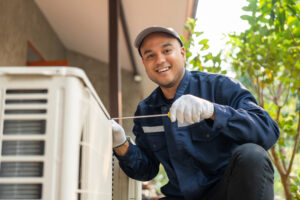 Now that we have returned to warmer weather on Long Island, it’s likely that you’re relying on your home’s air conditioning system to keep you nice and cool. But maybe it doesn’t seem to be working as well as it should this year. You might not be feeling cool enough, or you might be noticing an increase in your utility bills.
 Once spring has sprung, most people enjoy the warmer temperatures, sunnier days, and vibrant landscapes filled with blossoms and blooms. But for people with allergies, asthma, or other respiratory conditions, spring can mean sniffling, sneezing, and discomfort.
 Once spring arrives on Long Island, people start to think about ways to improve their homes. For people with bonus rooms and converted spaces in their primary residence, or for those with summer homes, cooling those areas is a priority. However, those areas may not have ductwork, and in that instance, cooling may seem like a challenge.
 Once the spring season arrives on Long Island, we can start to look forward to warmer outdoor temperatures. That means you may start to think about your air conditioning system, and if it’s ready for the season ahead. One of the best ways to make sure your AC system will be prepared to keep your home nice and cool is by getting
  It’s February, which means Valentine’s Day is right around the corner, and love is in the air. Unfortunately, during the winter months, our homes are often closed off to the fresh outdoor air – which can mean dust, pet dander, and other particles are also in the air. The good news is that there are effective
  Now that Old Man Winter has arrived on Long Island, you probably have needed to use your heating system to stay warm and comfortable. If your home isn’t as comfortable as you’d like, though, your heating system could use a check-up. Often, heating systems don’t just stop working altogether – there are indications that they may need repairs that occur before a complete breakdown.
 Once the holidays arrive, our thoughts turn to good times with family and friends, both near and far. We look forward to twinkling lights, giving gifts, food, and celebrations. When we have loved ones gathered in our homes, the last thing we want to think about is our heating system failing. For many people with boiler heating systems in their homes, the boiler currently installed may have some years on it.
 We are Long Island’s Leading HVAC Contractor for Heating